CCAT 2026 Keynote Speakers
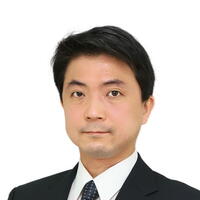
Dr. Hideaki Kimata
Kogakuin University, Japan
Speech Title: Acquiring, Compressing, and Utilizing 3D Real World Data to Make Smart Use of AI in the Real World
Dr. Hideaki Kimata received the B.E. and M.E. degrees in applied physics, and the Ph.D. degree in electrical engineering respectively from Nagoya University, Nagoya, Japan, in 1993, 1995, and 2006. He joined Nippon Telegraph and Telephone Corporation (NTT) in 1995, and was engaged in research and development of video coding systems, video communication, realistic communication, information systems using computer vision and machine learning, and virtual and augmented reality systems assisting human activities. He has also been involved with the development of MPEG standards under ISO/IEC JTC 1/SC 29. He contributed as an editor for the H.264 AVC standard. He is currently a professor at the Department of Information Design, Faculty of Informatics, Kogakuin University. He heads the Video Networking Laboratory, where they advance research on ultra reality through 3D space sensing and compression, content generation by AI, and mixed reality communication systems. His current research interests also include point cloud processing and compression, digital human creation, multi-modal AI, and human perception and cognition. He is a member of IEEE, IPSJ, and IEICE.
Speech Abstract: AI (Artificial Intelligence) based on large language models is beginning to be used for a variety of purposes. Numerous text, image, and video data exist on the Internet, and their volume in cyberspace is growing daily. This will lead to further advancements in learning AI, making it increasingly useful. In general, rather than “strong AI”, but “weak AI” designed for specific tasks is expected to continue being widely used for the time being. To make effective use of AI in our real-world 3D environment, the ability to handle 3D data will be crucial going forward. In applications like Physical AI (robots and autonomous vehicles), learning is conducted using digital twin technology based on data independently collected in the real world. In the near future, such AI is likely to be integrated into our daily lives. In particular, given the large elderly populations in Japan and some European countries, it is expected that AI will be used primarily for nursing care and healthcare. In this talk, I will introduce the acquisition, compression, and utilization of 3D real world information, with reference to research conducted in my laboratory, and identify future challenges.
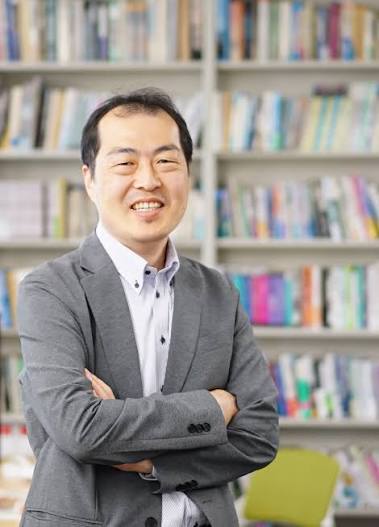
Prof. Yutaka Arakawa
Kyushu University, Japan
BIO: TBA
Previous Speakers
 |
 |
 |
Prof. Xi Li
Zhejiang University, China
IAPR/IET Fellow
|
Prof. Shaoen Wu
Kennesaw State University, USA
|
Prof. Ruili Wang
Wenzhou University of Technology, China |
 |
 |
 |
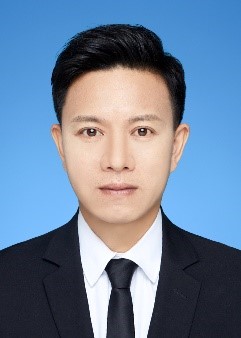
Prof. Jun Fu
Northeastern University, China
付俊 教授, 东北大学
未来技术学院院长,机器人学院常务副院长 |
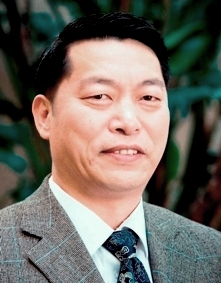
Prof. Dianhui Wang
China University of Mining and Technology, China
王殿辉 教授, 中国矿业大学 |
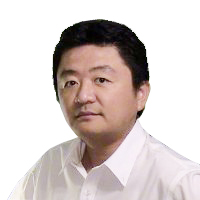
Prof. Yan Wu
Georgia Southern University, USA
吴岩 教授, 美国乔治亚南方大学 |
 |
 |
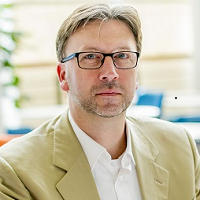 |
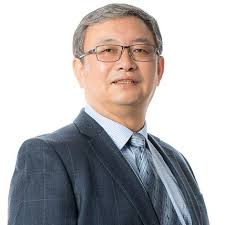
Prof. Michael John Witbrock
The University of Auckland, New Zealand
|
Prof. Chun-Yi Su
Concordia University, Canada
|
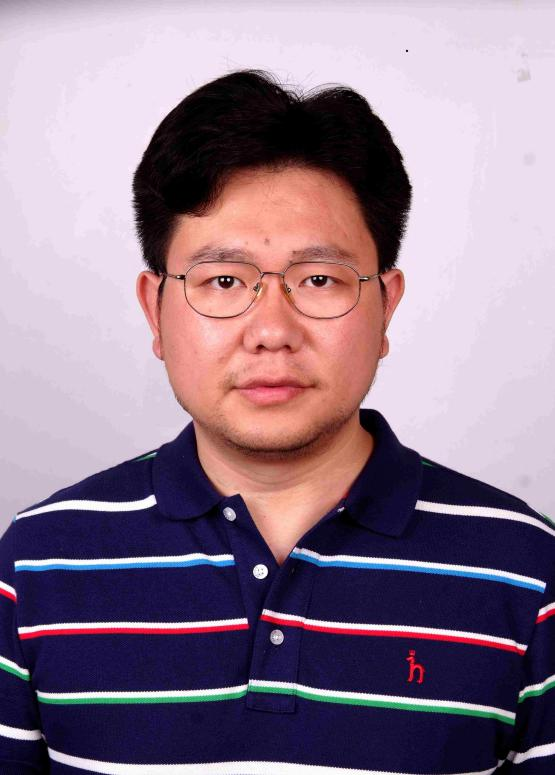
Prof. Dave Towey
University of Nottingham Ningbo China
|
 |
|
|
Prof. Tao Liu
Southwest Minzu University
|
|
|